
Why I Fell in Love with Concrete Crafting: The Story Behind My Obsession

If you had told me years ago that some of my absolute favourite DIY projects would involve heavy bags of dry mix, dust masks, and a lot of buckets, I would have laughed. But today, concrete is one of the absolute cornerstones of my creative world.
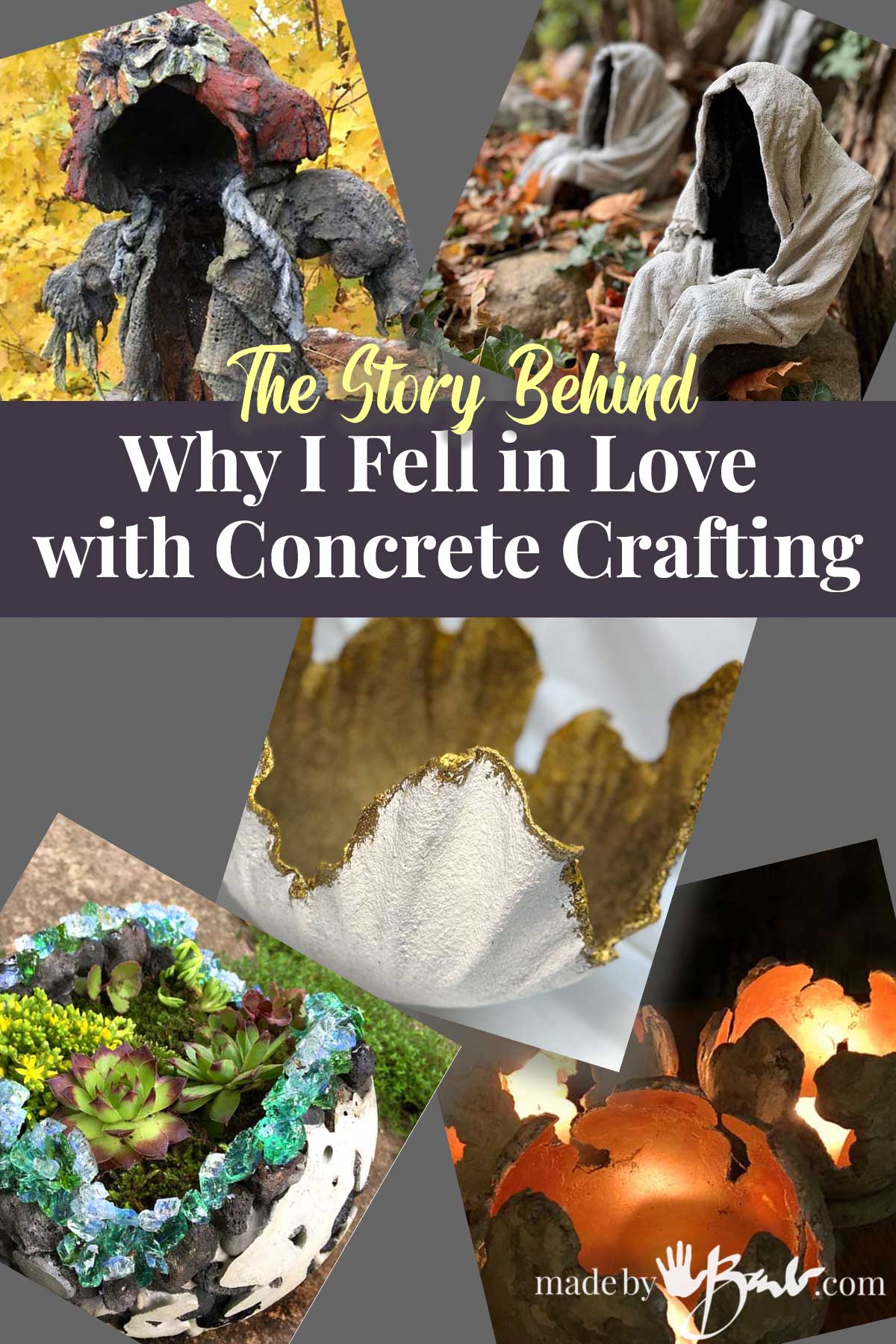
Many of you know me for my textile upcycling, botanical printing, and colourful fibre arts—so how did I end up getting my hands completely covered in grey mud?

Here is the story of how and why madebybarb.com started working with concrete. (Concrete Lamp)
1. The Allure of the “Canvasses” in the Garden
As an artist, illustrator, and designer, my brain is hardwired to see potential canvasses everywhere. One day, while working out in my garden and looking at a big rhubarb leaf, a lightbulb went off. I didn’t want to just paint on things; I wanted to sculpt, shape, and create permanent, structural art that could live outdoors year-round.

I wanted to bridge the gap between high-end landscape design and easy, budget-friendly DIY.

2. It’s Inexpensive, Accessible, and Amazingly Forgiving
During grade school ceramics I begged my parents for a kiln but was denied… Concrete eventually became that adaptable replacement media with no excessive electricity costs. As an artist, I’ve worked with many other expensive mediums. Concrete is incredibly budget-friendly and accessible. You don’t need fancy, high-tech tools to get started; you just need a bag of mix, a bucket, a stirring utensil, and a willingness to play.
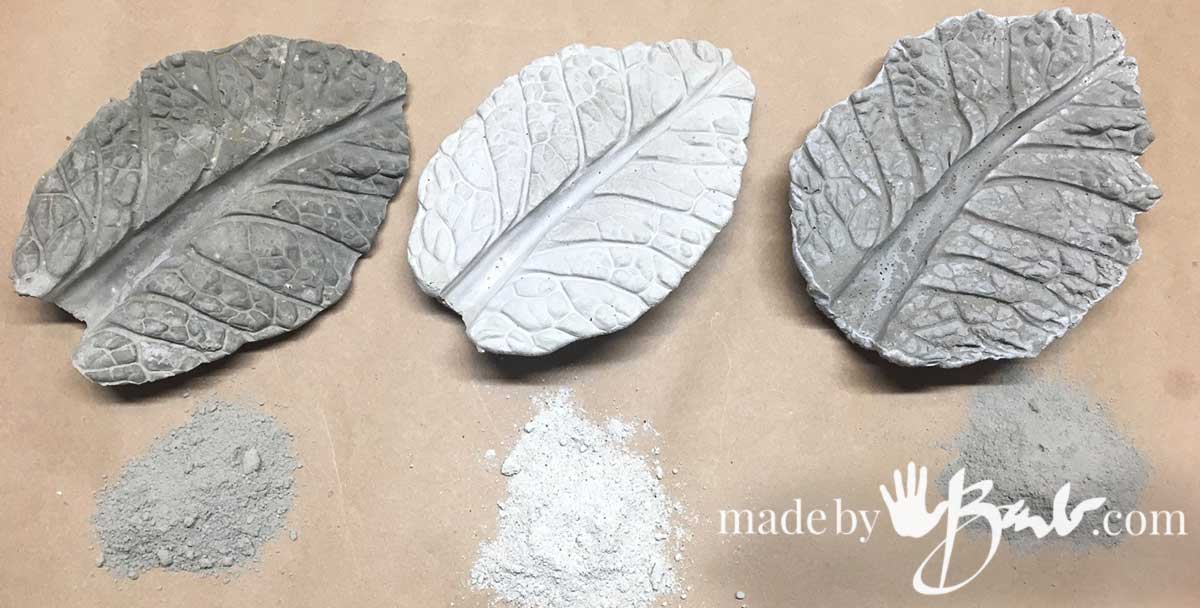
My very first concrete adventure started years ago with simple stepping stones cast with leaves in the sand. They were cheap to make, and to this day, they still grace my garden and are aging beautifully. I quickly realized that concrete is a highly forgiving playground where “mistakes” often turn into beautiful, rustic, happy accidents.
3. Conquering the Fear of the Medium
Let’s face it: concrete can be intimidating. It’s heavy, it’s messy, and once it cures, it’s permanent. But for me, the stubborn maker in me loved the challenge of “beating” the medium until I figured out exactly how it behaved.
I began experimenting with different mixes:
- Vinyl Patching Compounds for thin, draped projects.
- Sand Topping Mix for basic bowls
- Rapid-Setting Cements for quick-molded pieces.
- Homemade Cement Paper Clay to sculpt lightweight, highly detailed, weather-resistant outdoor sculptures that could easily survive harsh Canadian winters.
Once you realize that concrete is incredibly forgiving and practically behaves like mud when you’re working with it, the fear disappears.
4. The Quest for Infinite Shape and “Orbs”
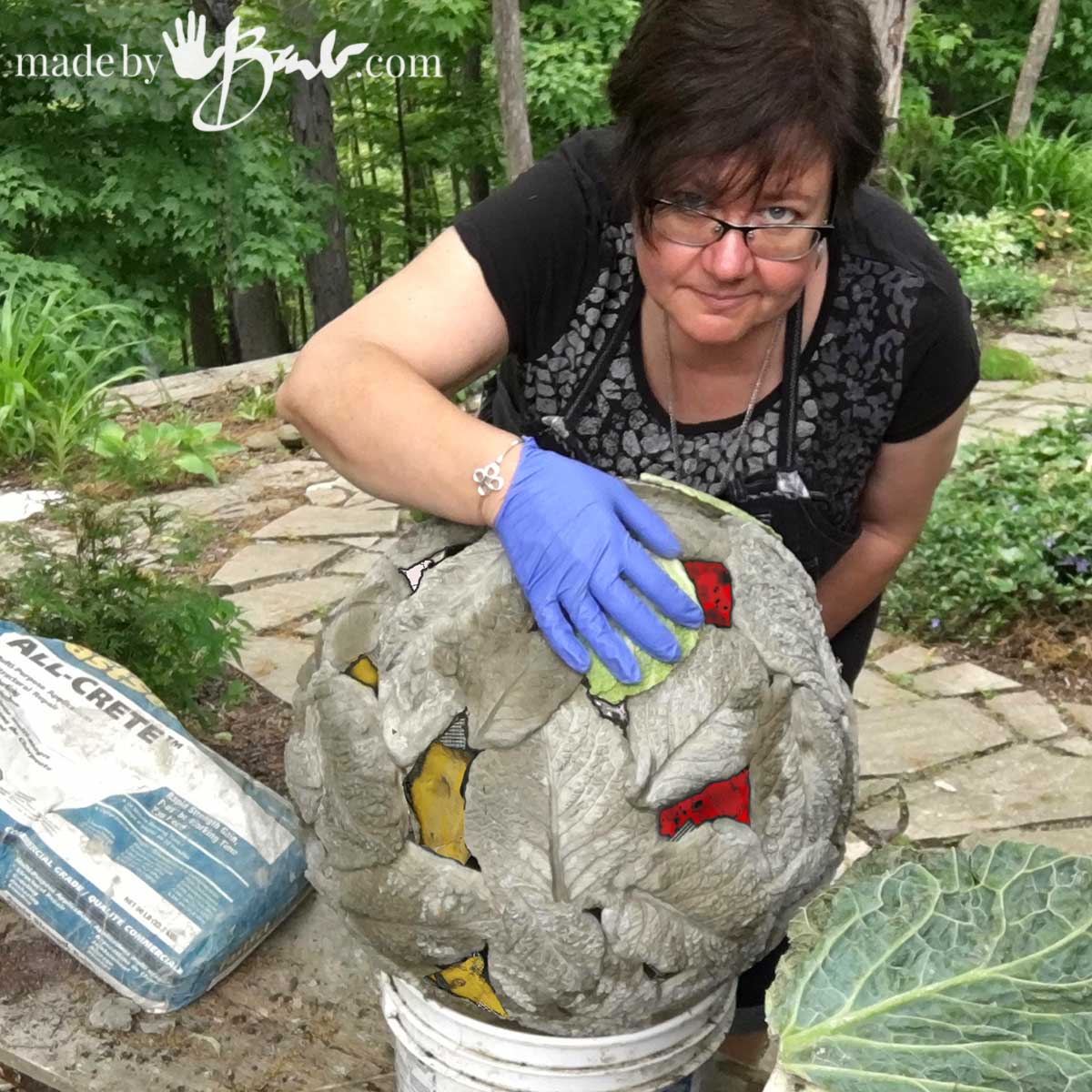
One of my first major deep-dives into concrete came from an obsession with the perfect, organic form of the sphere. I wanted those gorgeous, massive, expensive-looking garden orbs you see in designer yards, but I didn’t want to pay designer prices.
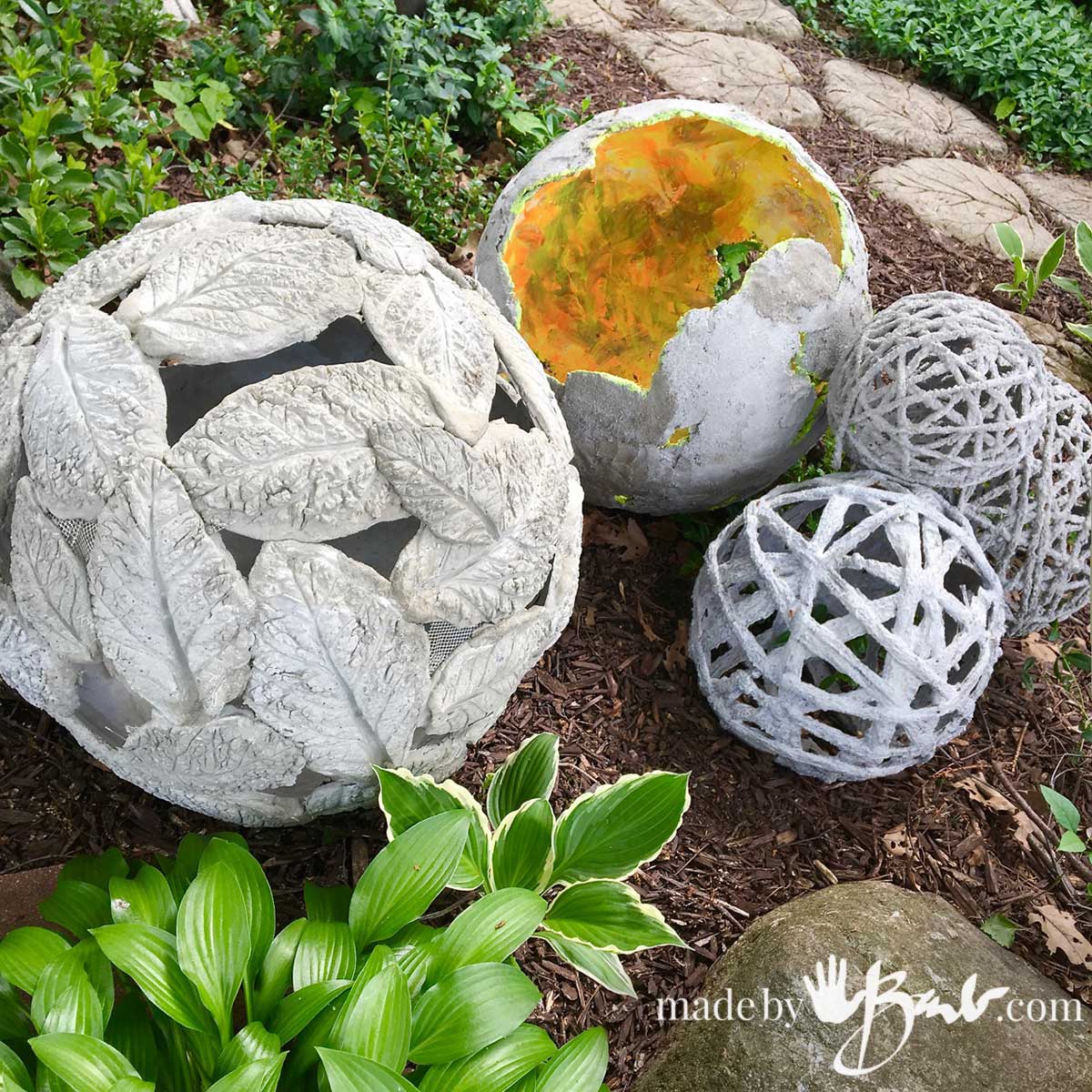
So, I started experimenting. I grabbed some cheap beach balls, got suited up in my dust mask and rubber gloves, and played around with concrete patchers to see if I could build hollow, rustic, glowing “meteors” for my yard. The experiment was a massive success, and to this day, my giant concrete garden orbs remain one of my absolute favorite projects!
5. Combining the Fine Artist with Industrial Textures
What truly hooked me on concrete was the beautiful contrast it offers. I love combining my background in fine art, drawing, and typography with the raw, industrial, rugged texture of stone.
Whether I am painting “faux engravings” on flat rocks so they look chiseled by hand, or casting giant, textured hollow shapes, concrete provides an organic, tactile quality that plastic or wood simply can’t replicate. It’s durable, it’s cheap, and it ages beautifully in the elements.
The testament of a true “maker” – always dirty hands…

Working with concrete proved to me that you don’t need fancy, expensive studio equipment to make monumental, gorgeous art for your home and garden. All you need is a bag of mix, an open mind, and a willingness to get a little dusty. (Huge Concrete Mushrooms)
Are you ready to start your own concrete adventure? Let me know what you’re dreaming of making next!
6. The Magic of “Concrete Draping”: Merging Cement with Fabric
I’ve been sewing my own clothes since I was 12 years old. Because my brain is wired to think about fabric, drape, and pattern construction, it was only a matter of time before those skills collided with my new love for concrete.

I wondered: What happens if I combine the flexibility of fabric with the liquid strength of cement?
This curiosity led me to develop Concrete Draping. By dipping upcycled fabrics (like fleece) into a cement slurry, I could drape and sculpt forms without needing traditional, rigid wooden molds. This is how my famous Step Spook came to life in 2016, which quickly became the most popular tutorial on my site. It opened up a whole new world of lightweight, sculptural garden art and draped concrete vessels.
The Sandbox is Waiting!
At the end of the day, working with concrete takes me right back to playing in the sandbox as a child. It’s all about making a mess, experimenting, and trying again until you figure it out.
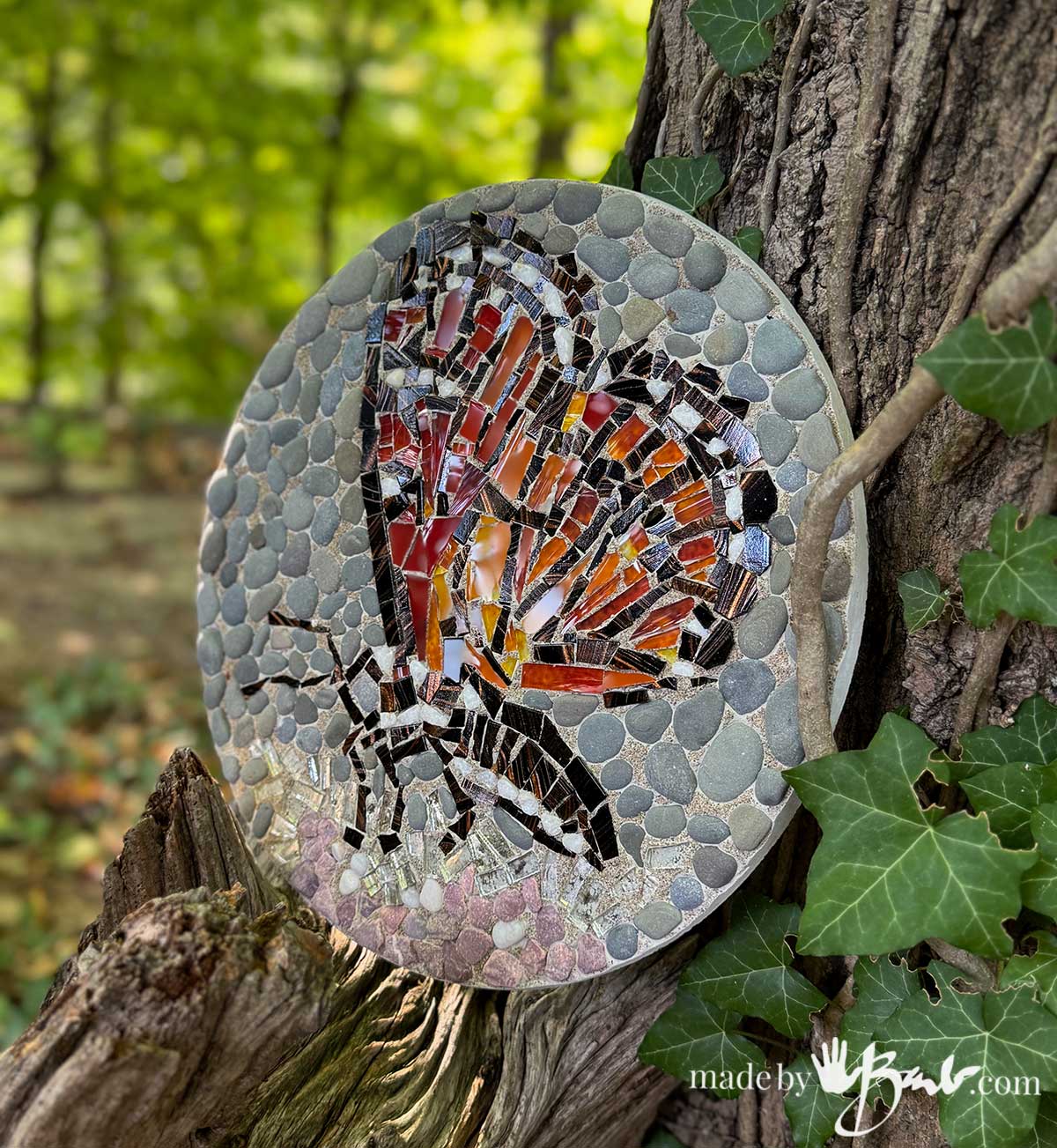
I started working with concrete to solve a simple garden design problem, but it evolved into a global community of makers sharing their own stepping stones, draped planters, and glowing garden sculptures.
If you’ve been hesitant to try it because it seems “too industrial” or messy, I promise you—it is just like baking a cake. Grab a bucket, get your hands dirty, and let’s make some amazing concrete!
Thank you for reminding us of all your projects. You are a genius. I also appreciate your reminder to not be intimidated with the concrete medium because I am! I made the spooks last September and it was difficult for me especially the witch. I still have to put her together better for this coming Halloween.
But as soon as it cools off a bit I’ going to make your giant mushroom.
Have a lovely summer.
Judy
Haha, I understand as my witch was thrown down a hill by some raccoon in the night! Good thing; it can be reinforced with more concrete/cement. Just dampen the original concrete enough to allow the new to cure properly (needs moisture). I’m glad you tired it. You can always make the designs original to you, as what ‘speaks’ to you!