
Forage, Find & Create: Amazing DIY Projects Made with Nature’s Treasures

Have you ever gone for a walk and come home with pockets full of stones, an interesting stick, a handful of leaves, or a beautiful piece of driftwood? If you’re a maker like me, you know that a walk outdoors can quickly turn into a treasure hunt! Autumn is especially generous for art & craft supplies!
I’m always looking at nature with a creative eye. A leaf isn’t just a leaf when you start noticing its intricate veins. Weathered driftwood might become a handle, a sculpture, or the perfect starting point for a garden creation. Even an ordinary weed can become a beautiful piece of art.
One of my favourite things about working with natural materials is that they inspire me to try techniques I might never have considered otherwise. And the best part? Many of these treasures are free!
Over the years, I’ve discovered so many ways to transform things found outdoors into unique projects. From printing botanical designs on fabric to capturing the texture of leaves in concrete, nature offers an endless supply of inspiration.
So, let’s head outdoors and see what treasures we can find!
Leaves: Nature’s Most Versatile Craft Material
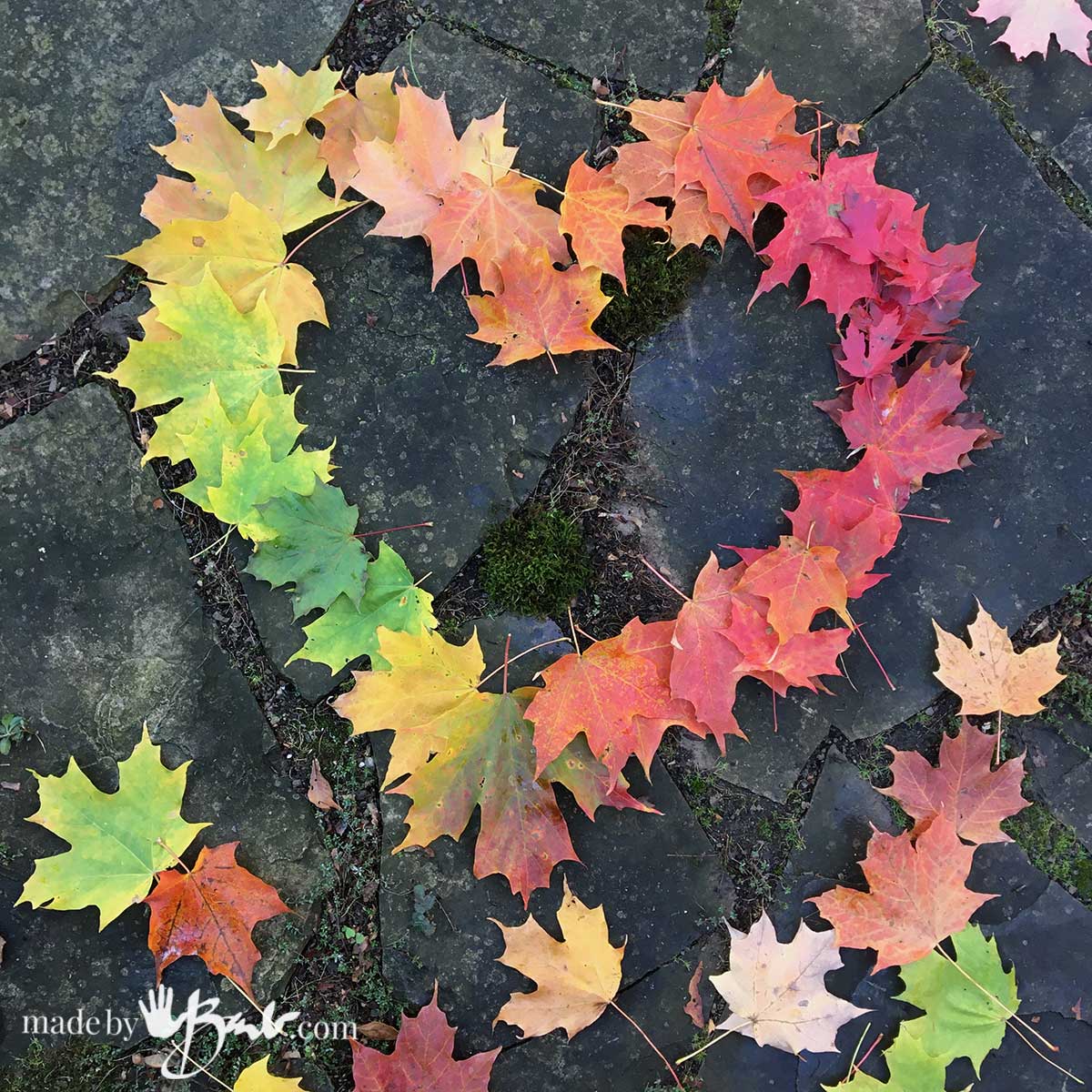
If you’ve followed Made by Barb for a while, you probably know that I have a bit of a leaf obsession! Leaves are one of my favourite materials to collect because they can be used in so many different ways.
Different shapes, sizes, textures and vein patterns offer endless possibilities. Large leaves can become forms for sculptural projects, while delicate foliage can provide amazing silhouettes. Here are some of my favourite ways to use leaves.
Eco Printing; so many methods
Eco printing is another fascinating way to use collected leaves and flowers. Rather than simply creating a silhouette, this technique uses plant pigments and natural compounds to transfer botanical shapes and colours onto suitable materials.

The results can be wonderfully unpredictable, which is part of the fun. Different plants and fabrics produce different effects, so every experiment teaches you something new.
You can explore this amazing art form that uses a bit of magic rather than talent!
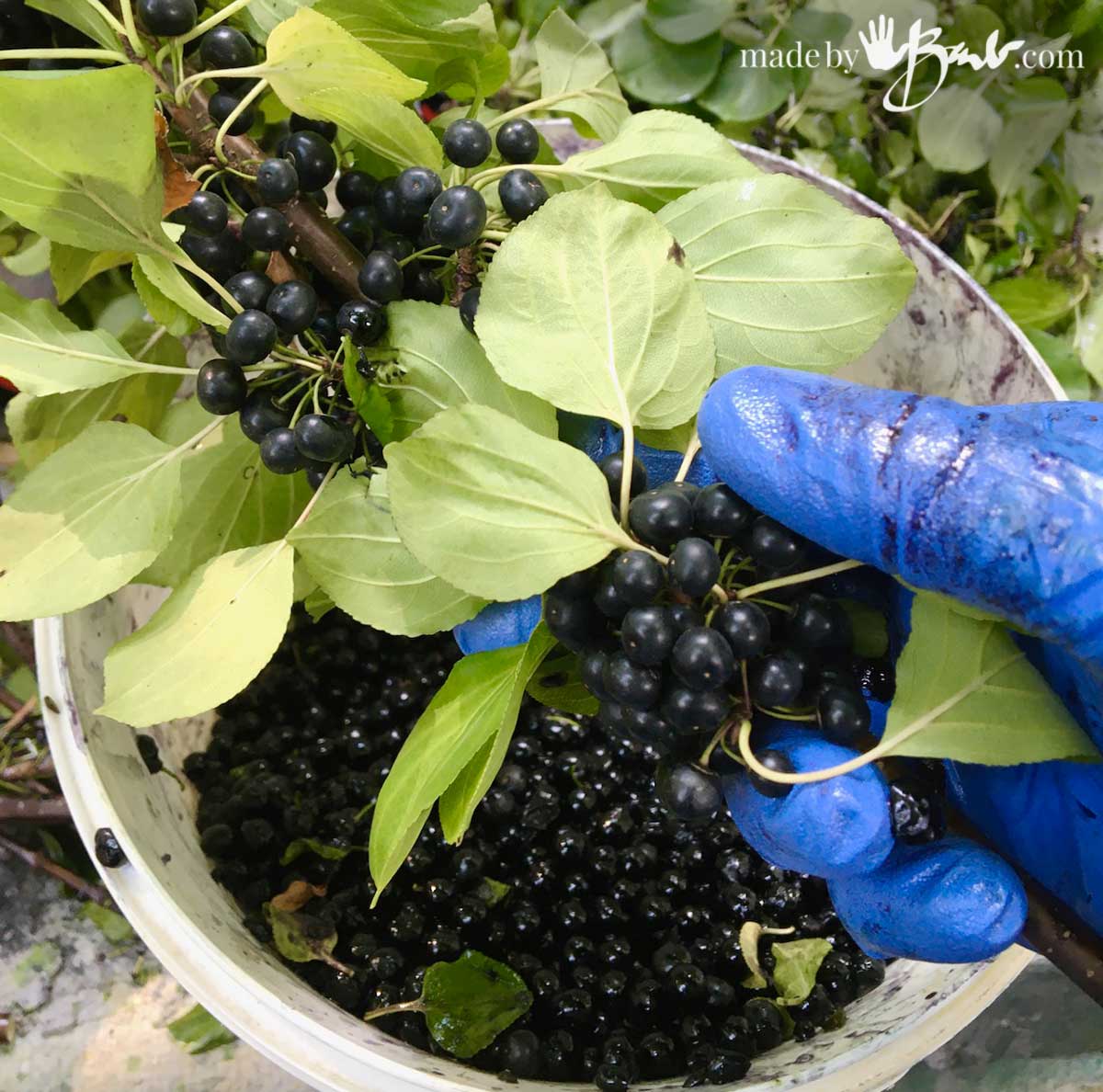
Print with Invasive Species!
Who would think that plants that should be ripped out could give such colour?! This invasive specie; Buckthorn is abundant and quite talented for colour!
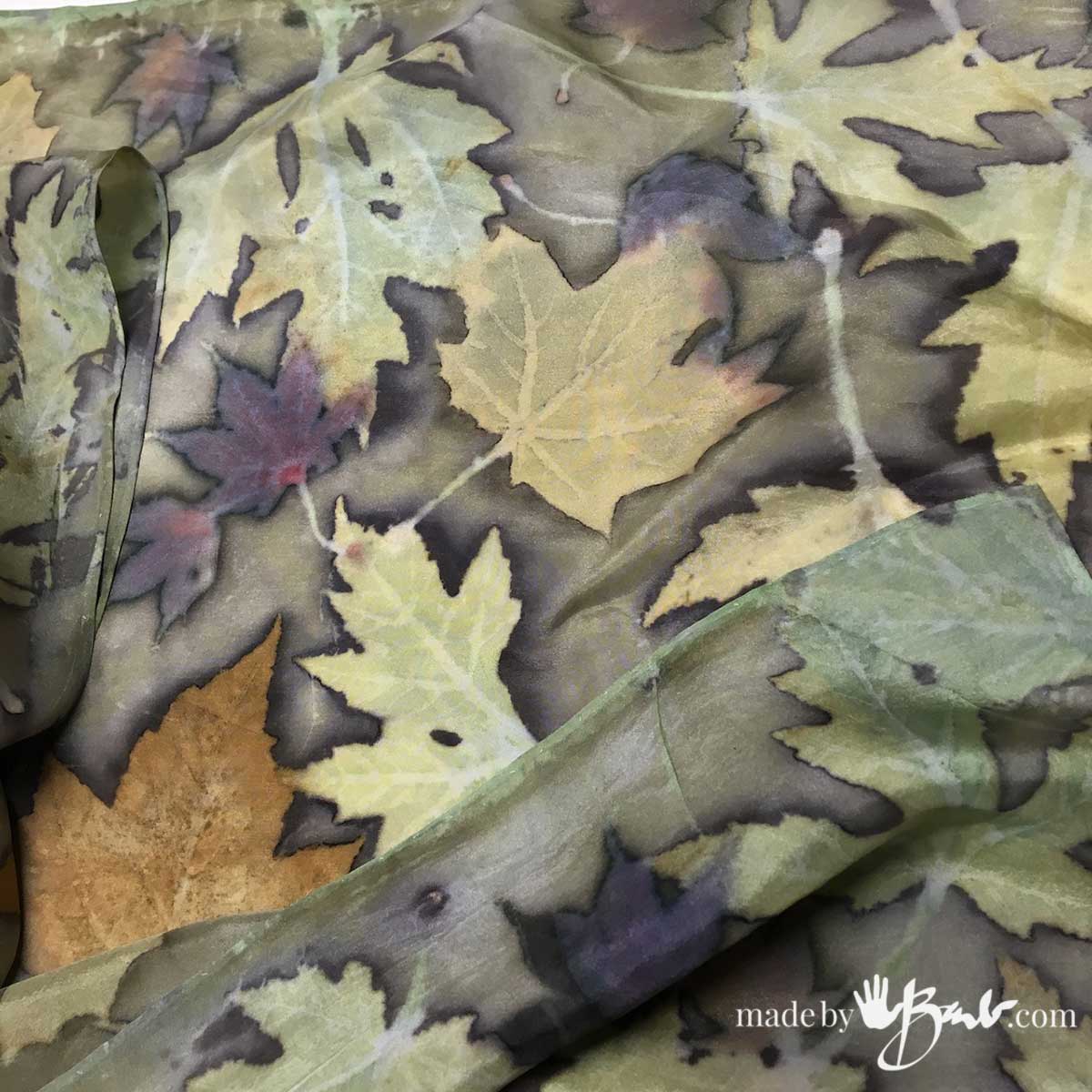
A purple berry that prints green! Try your hand at Buckthorn Berry Eco printing, let me know what you get.
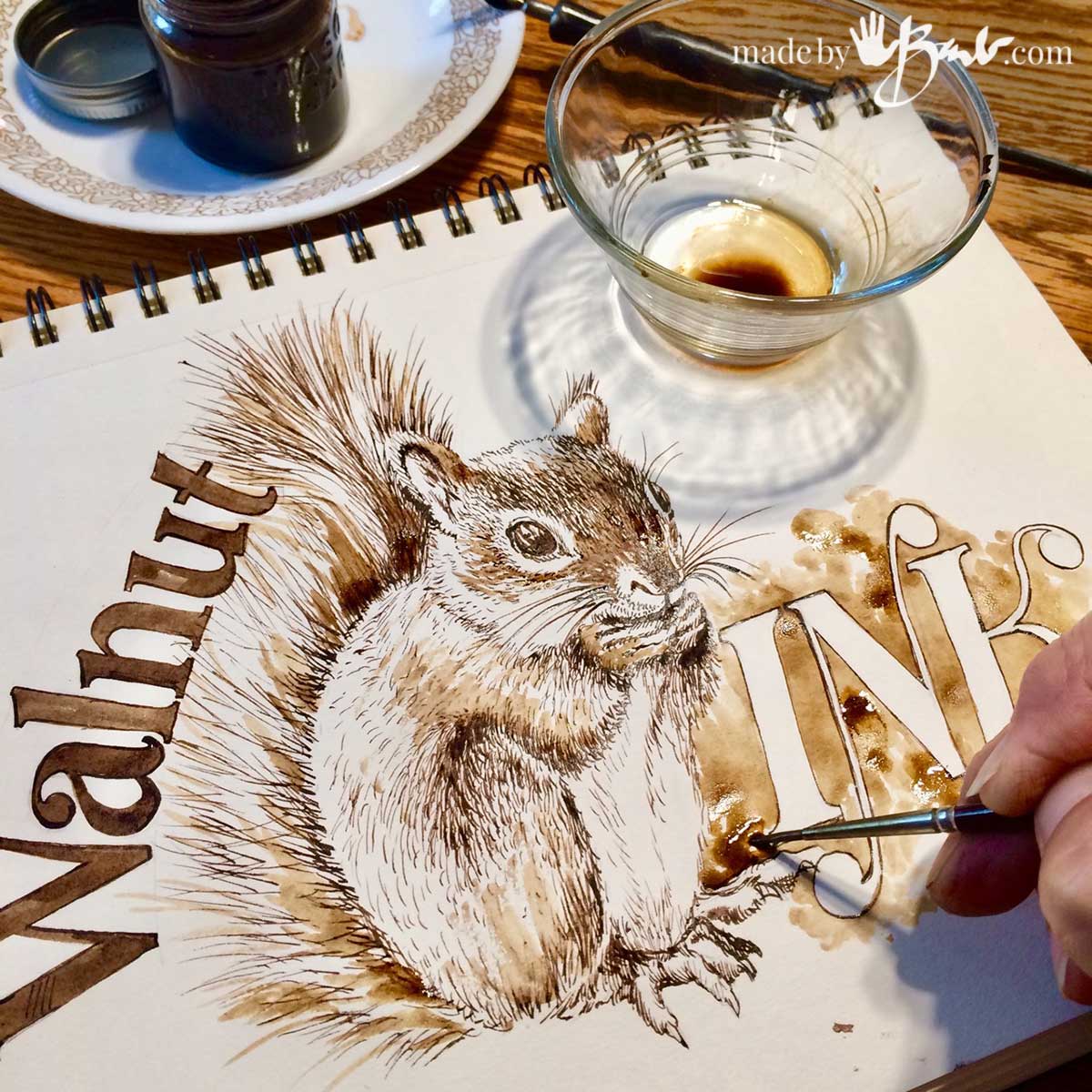
Fall time Forage gifts; nuts!
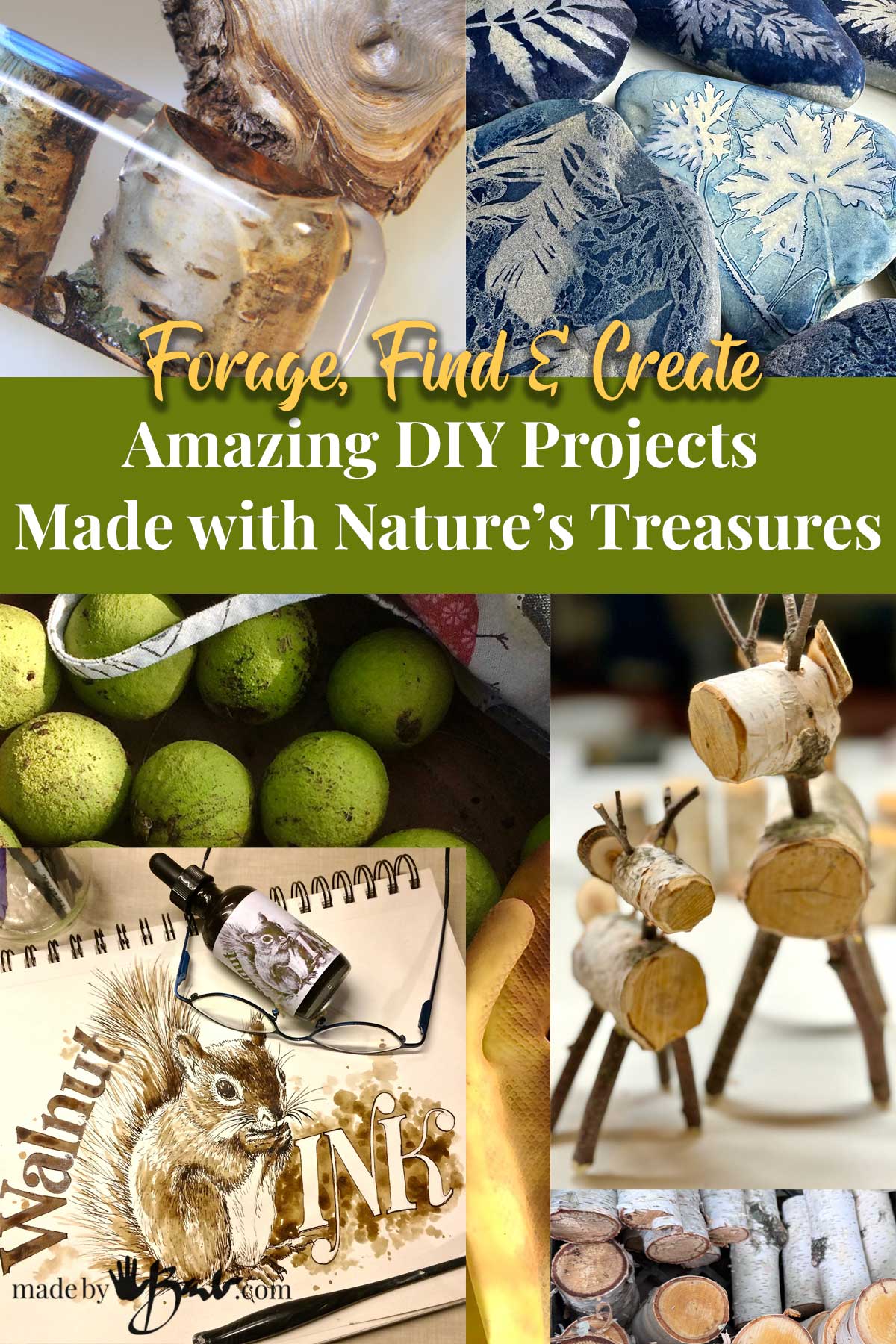
It’s time! Make your own Walnut Ink from those fallen nuts! Use one of these methods; a lot or a little, or give it as gifts. I have even made a label (free download) for you… using walnut ink of course.
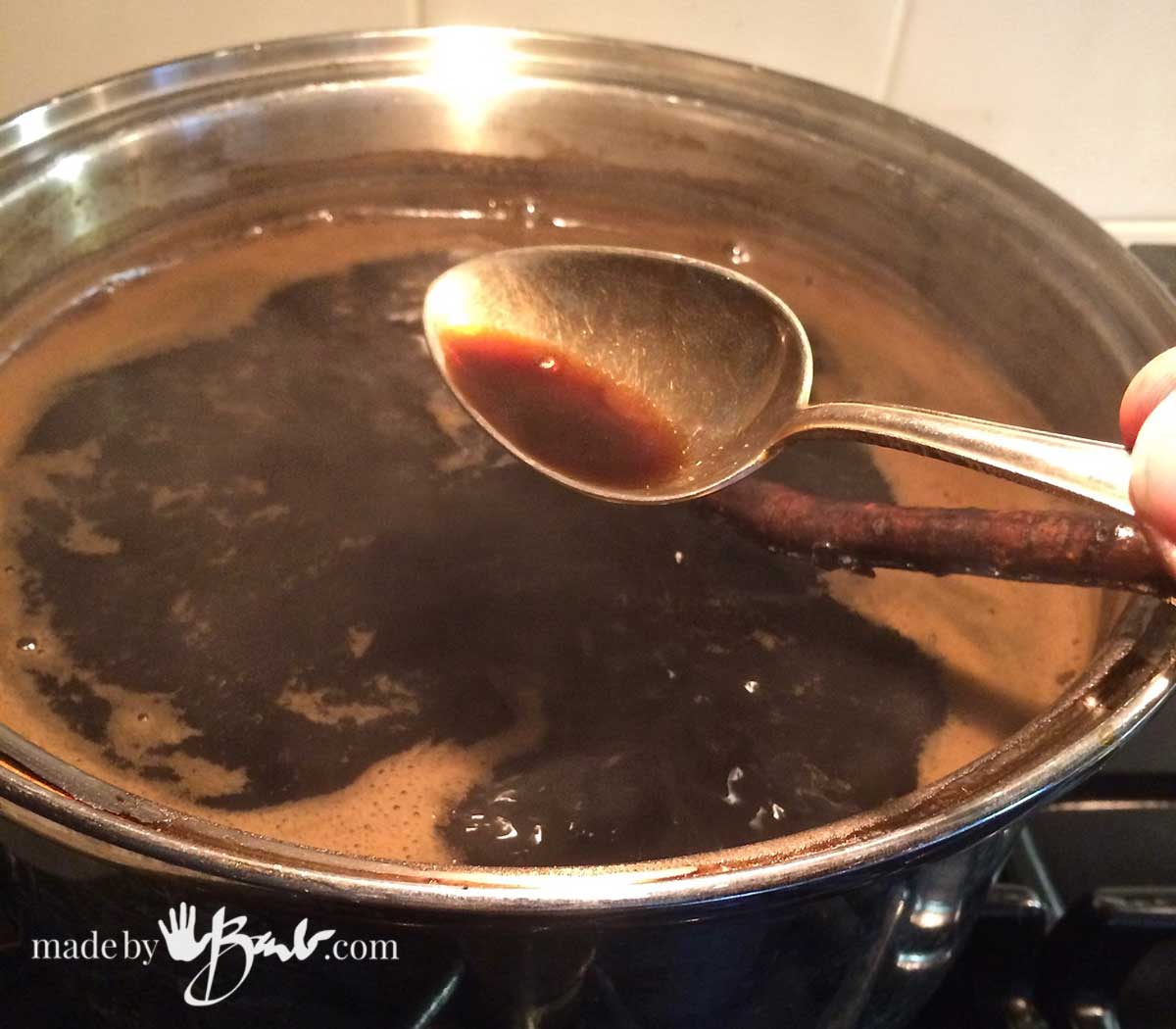
Walnut ink is a strong pigment that will last quite well. You can adjust the colour with some iron, or even use as a dye.

Print with plants using cyanotype
Have you ever tried sun printing? Cyanotype is a photographic printing process that uses light-sensitive materials and UV light to create distinctive blue images.

Leaves, ferns, flowers and other botanical specimens can be arranged on prepared paper or fabric. After exposure and rinsing, you’re left with beautiful silhouettes and delicate details.
I love how a simple walk outdoors can supply the design elements for an entirely original piece of art.
Try my Cyanotype tutorials:
- How to Make Cyanotype Prints on Fabric
- How to Make Amazing Cyanotype Prints on Paper
- How to Make Cyanotype Prints on Rocks & Stones
- How to Print Cyanotype on Jackets, Jeans & Clothes
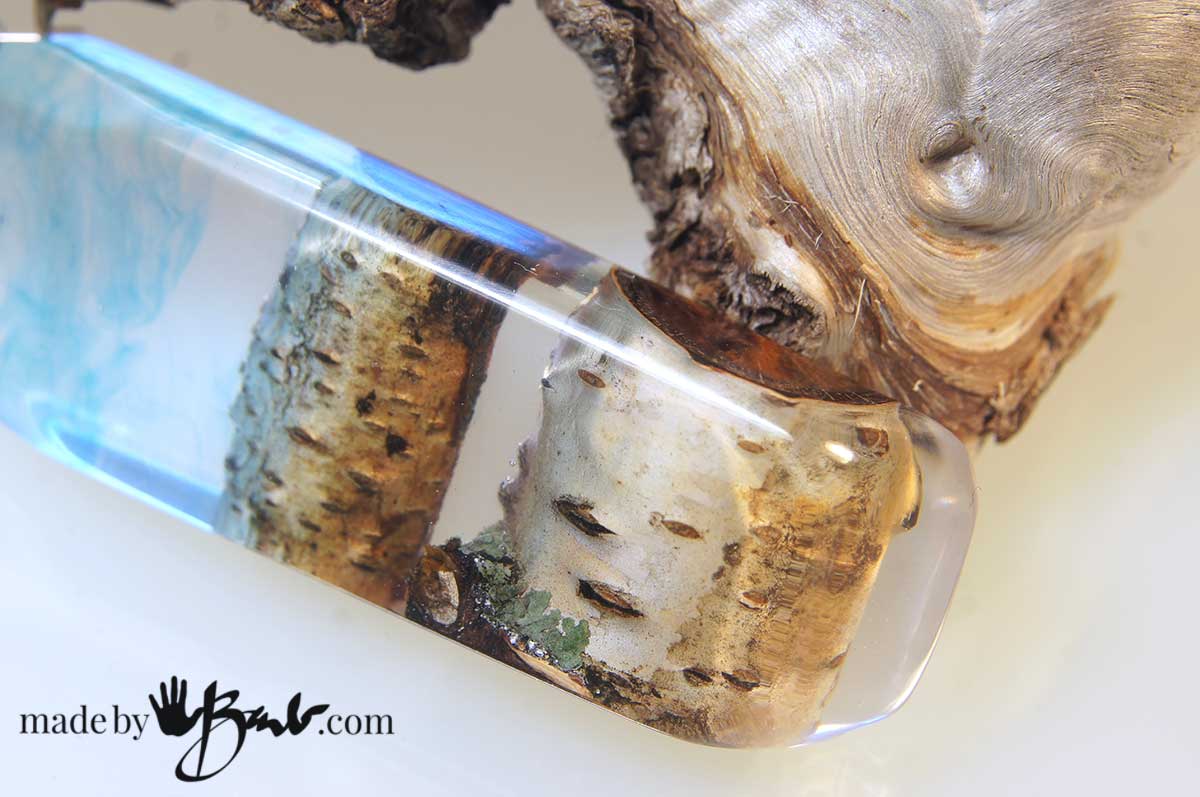
Those branches and twigs get a new life!
Look closely, admire the small details… even that moss or lichen! Resin is a great way to make a permanent piece of jewelry! Rustic Resin Pendants made from tiny treasures, forever captured!
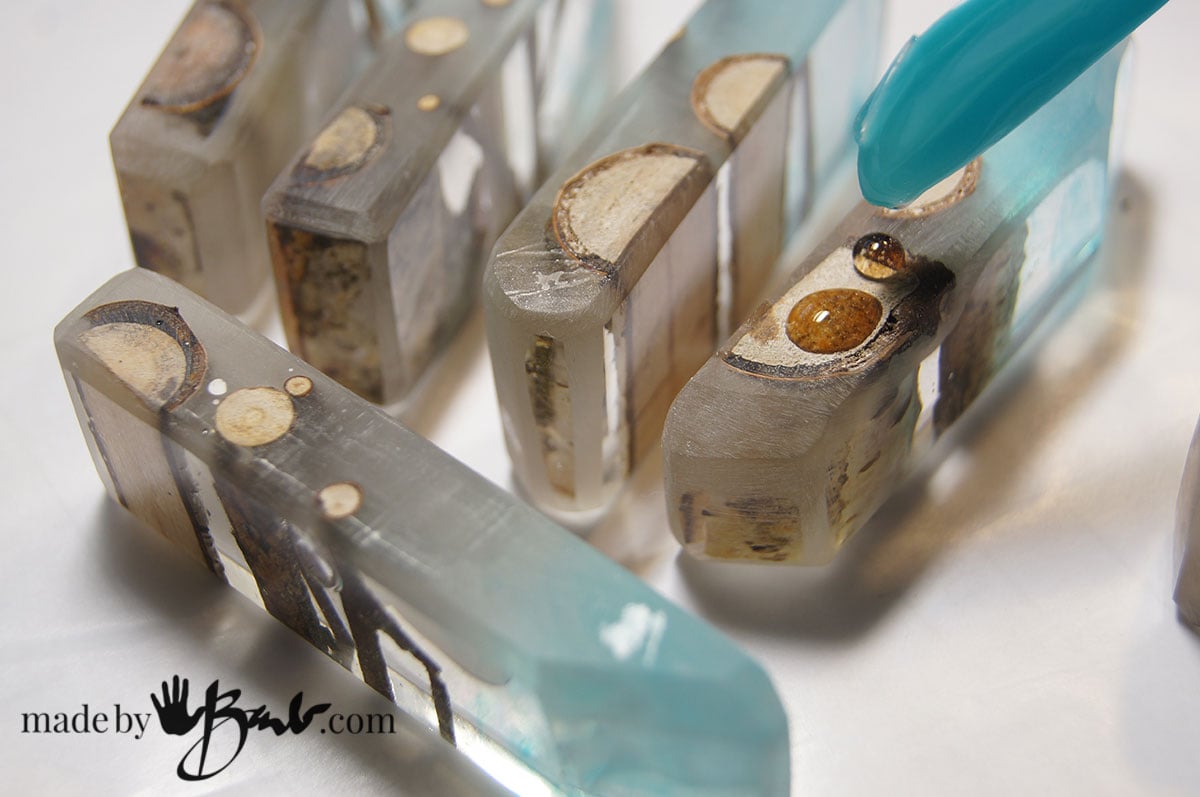
There’s so many options when working with resin, crystal clear design.
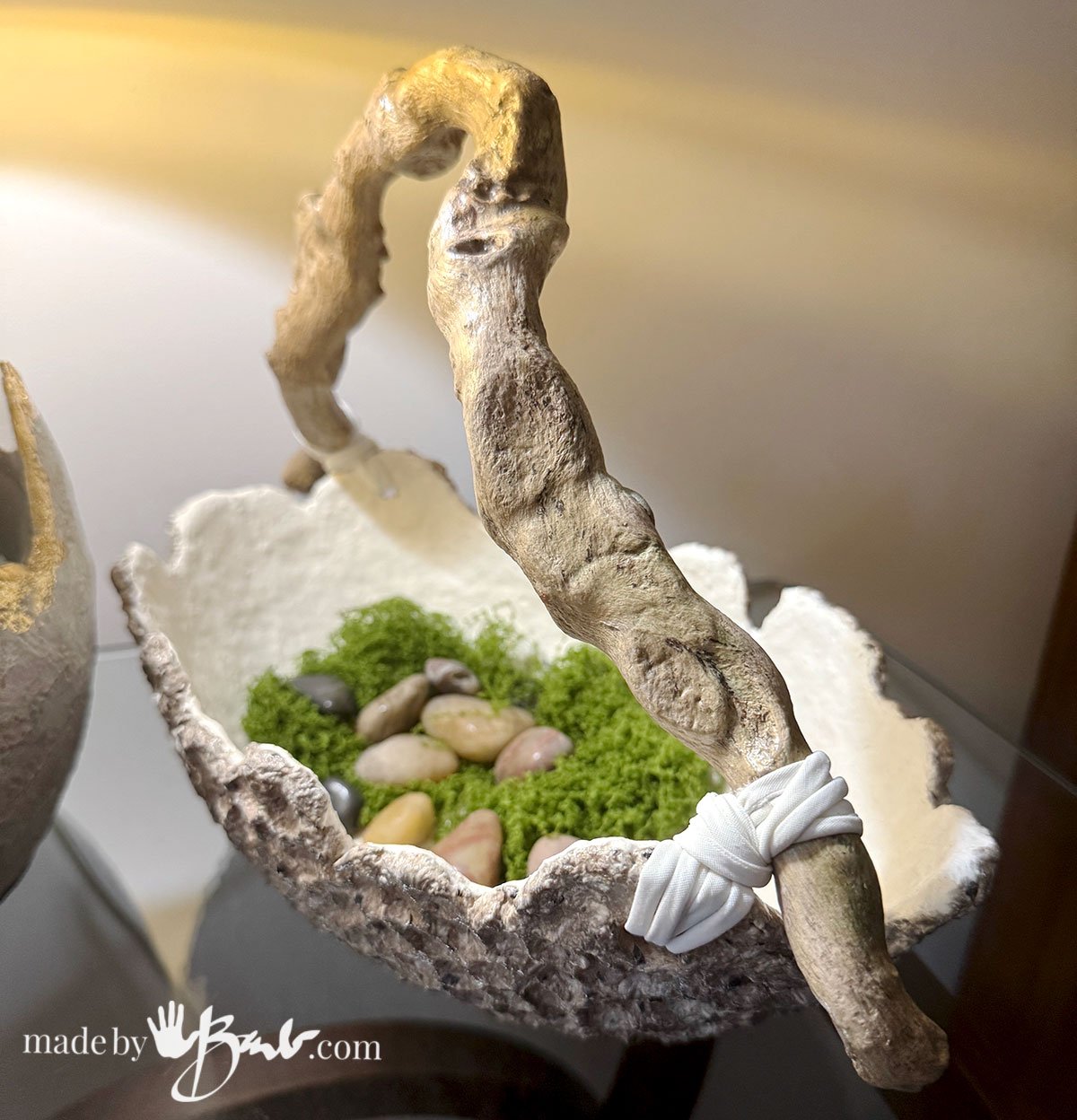
2. Driftwood: Sculptural Treasures from the Shore
Any knurly branch always catches my eye! I think of how it came to be, where did it get it’s character?! ‘If only nature could talk! One of a kind pieces become the best Driftwood handles!
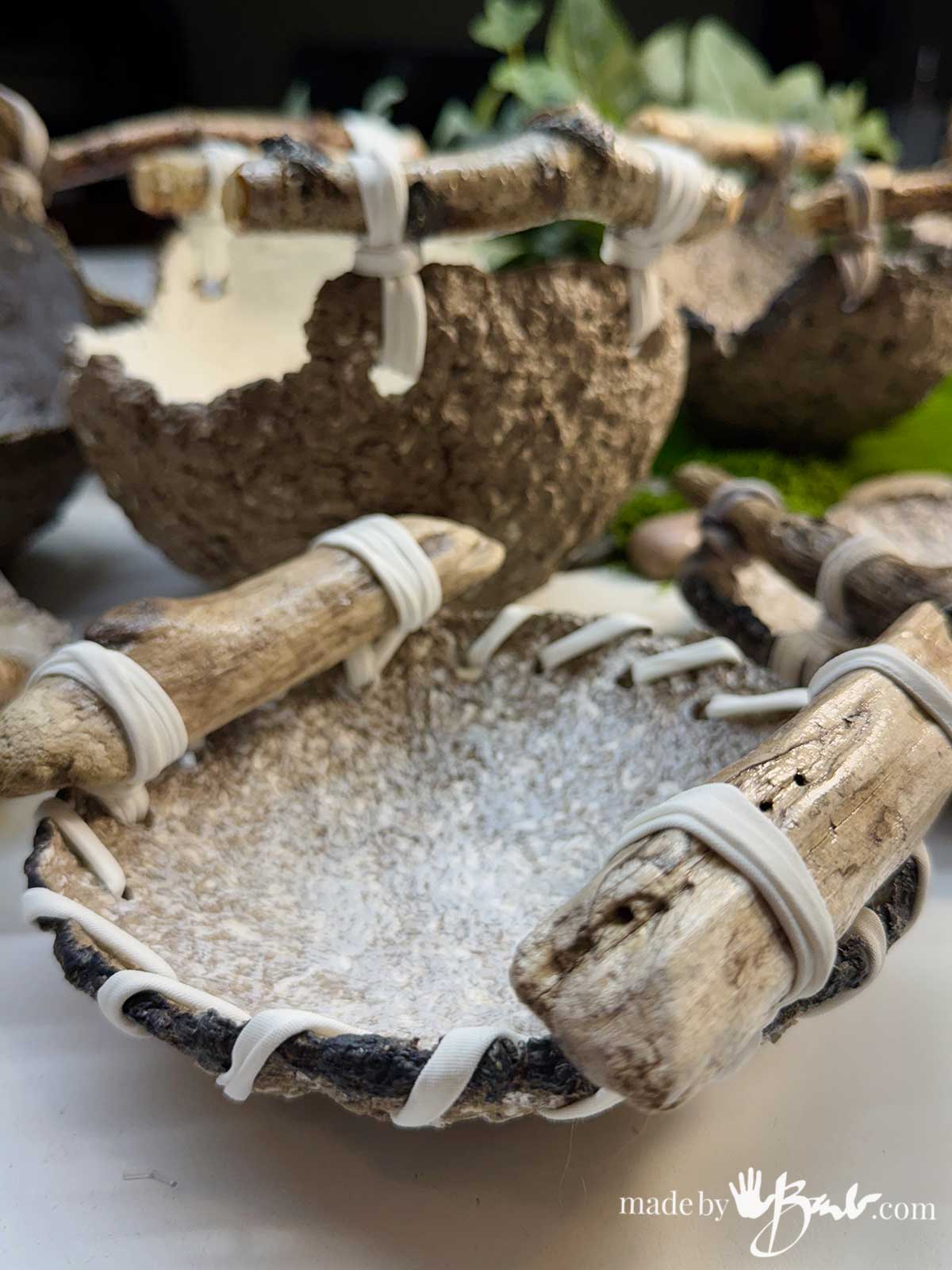
There’s something special about driftwood. Water, wind and time have transformed ordinary wood into something with its own character. It pairs so perfectly with Paper Fibre clay! An interesting branch or piece of weathered wood can become a handle for a sculptural bowl, adding contrast between the organic material and a handmade vessel.
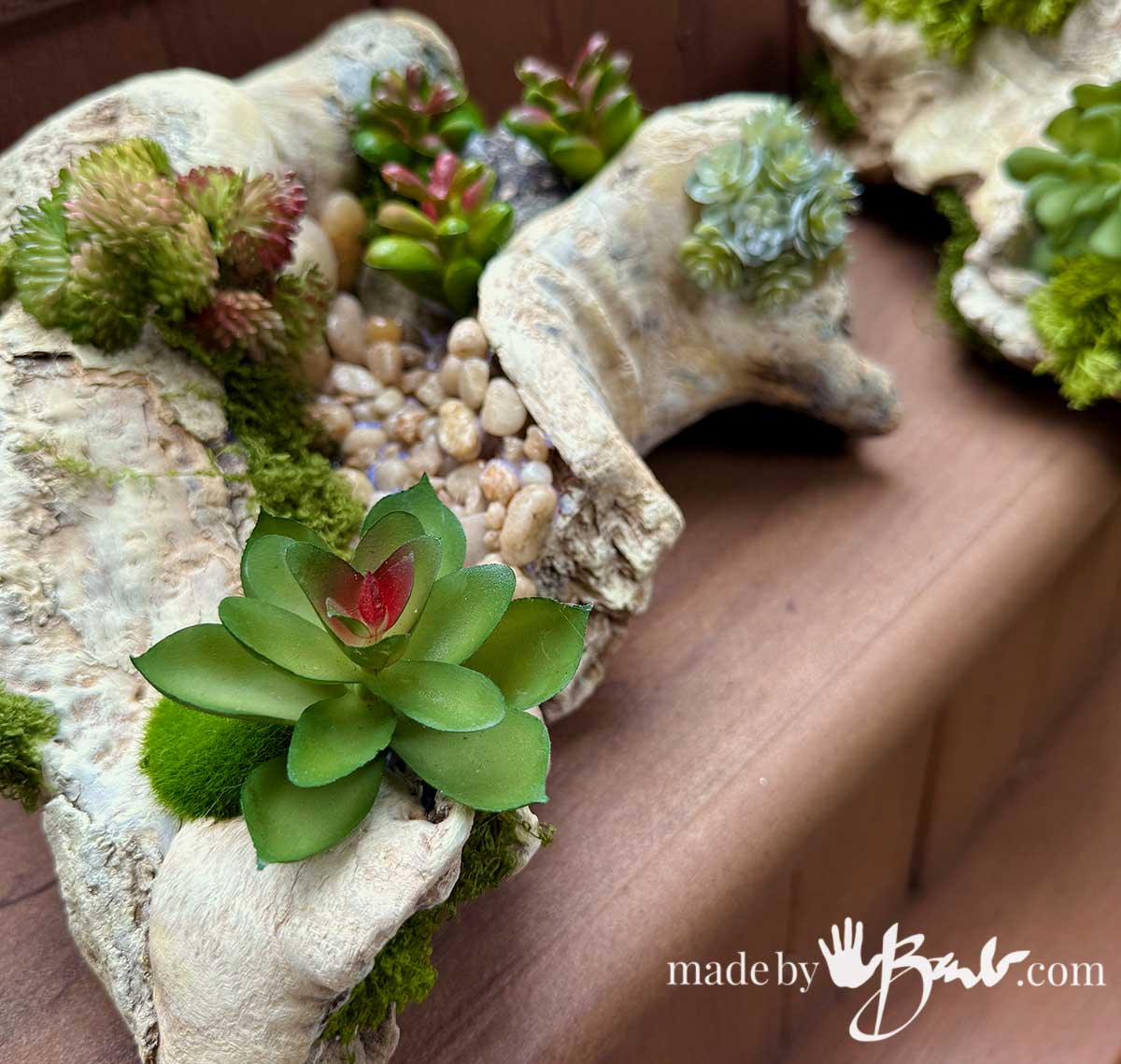
Create a driftwood succulent garden
A piece of driftwood can become the foundation for a sculptural garden arrangement. Its natural openings, crevices and contours provide opportunities to create an interesting display with faux succulents or plants.
For inspiration, see my Driftwood Faux Succulent Gardens and discover how the shapes you find can influence a design.

Branches & Log Reindeer
Don’t you love a girl with her own chainsaw?! Yup, I love my Milwaukee Battery M18 Chainsaw. It makes quick work of cutting up for my Reindeer and My Gnomes.

Perhaps I will revisit the chainsaw carving that I had dreamed of, but for now this fulfills for the smaller projects quite well. I’ve even cut some ‘birch cookies’!

Bleach Print method, super simple!
Leaves are everywhere right now! Fabrics that can be bleached will be perfect for this Bleach Printing with leaves method.

I love how fast this works, with some surprises along the way! It’s a great way to repurpose old jeans and sweats!
Stones and Pebbles: Small Treasures with Big Potential
I can never resist looking at stones when I’m walking along a beach. Their colours, shapes and textures vary so much that it’s easy to collect ideas even when you don’t collect the stones themselves.
Flat stones, rounded pebbles and rough, textured rocks can all inspire different kinds of projects.

Make cyanotype prints on stones
Why limit cyanotype printing to paper and fabric? In my tutorial, I explore how botanical designs can be printed onto suitable rocks and stones.
The blue prints against the natural surface create an interesting combination of photographic art and geology.
How to Make Cyanotype Prints on Rocks & Stones
Bark, Twigs and Interesting Branches
Not every natural treasure needs to be colourful. Some of the most interesting materials are the ones with subtle textures and unusual shapes.
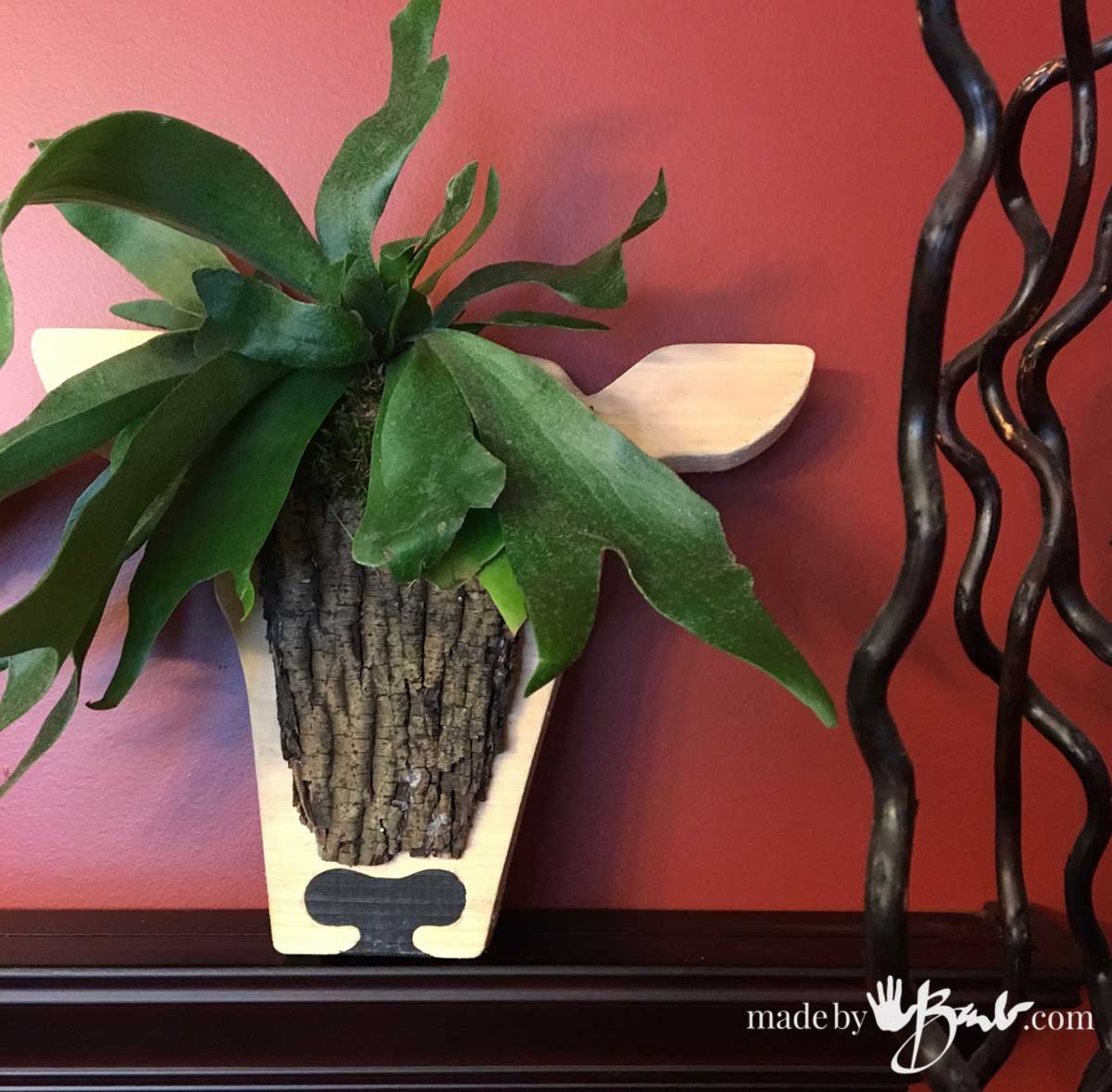
Look closely at fallen branches and weathered bark. The Staghorn plant grows in.an interesting way! Make a Staghorn Deer Wall plaque from found bark!Here are a few ways to use them:
How to Forage for Craft Materials Responsibly
Before heading outdoors with a collecting bag, there are a few important things to remember.
Leave nature healthy for the next person. The aim is to gather inspiration and a few suitable materials without damaging the environment.
- Check local rules. Collection may be restricted in parks, conservation areas and protected natural spaces. Obtain permission when required.
- Collect sparingly. Take only what you need, and leave plenty behind for wildlife and natural regeneration.
- Prefer fallen materials. Fallen leaves, twigs, seed pods and driftwood are often good choices where collection is permitted.
- Leave living plants intact. Avoid pulling up plants, stripping bark or damaging branches.
- Protect wildlife. Leave nests, eggs, animal homes and other wildlife materials undisturbed.
- Be careful at the beach. Some shells, stones and other natural materials may be protected or important to local ecosystems. Follow local collection rules.
- Avoid contaminated materials. Don’t collect plants beside busy roads, industrial areas or places that may have been treated with chemicals.
- Identify your finds. Never handle unfamiliar plants or fungi unless you know they are safe.
You can also take photographs, make sketches or collect fallen specimens from your own garden. You don’t need to bring everything home to benefit from a walk in nature.
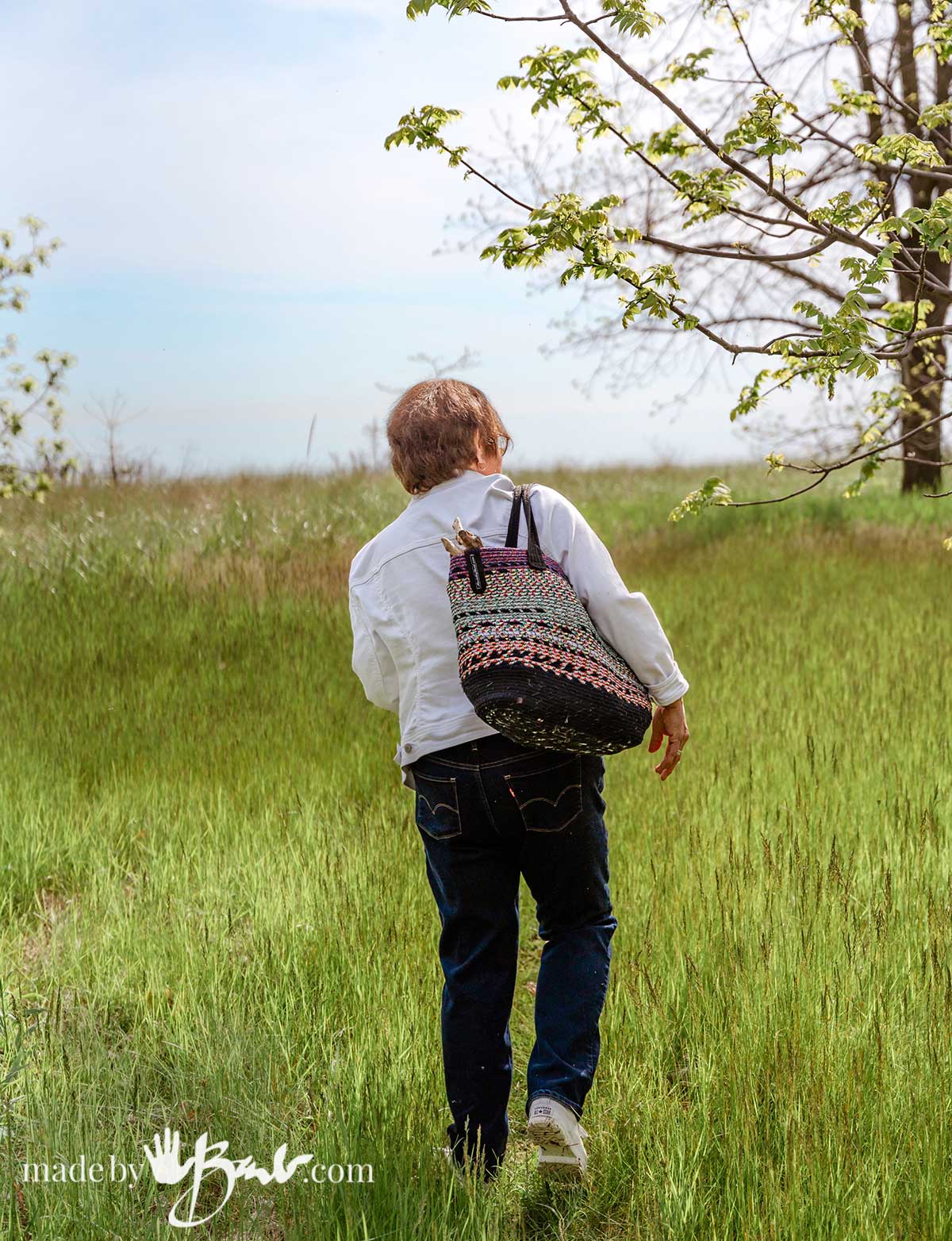
Make Your Own Foraging-and-Making Kit
One of the easiest ways to turn a walk into a creative adventure is to keep a small kit ready. I always seem to have a bag stuffed into a pocket… just in case! When you return home, sort your finds by type and consider what each one might become.
I often find that simply putting interesting materials together on a worktable sparks ideas I wouldn’t have had otherwise.
My Favourite Way to Find New Project Ideas
I’ve found that getting outdoors is one of the best ways to get out of a creative rut. A walk along the beach or through the woods can reset my thinking and introduce me to new forms, textures and possibilities.
In fact, nature has been a source of inspiration for many of my projects.

In How I Find Inspiration as a Maker – It’s Not Where You Think, I share more about how observing the natural world helps me develop ideas.
My favourite part is that there is no single correct way to use what you find. One person might see a beautiful leaf, while another sees a potential printing plate, a concrete mould or the starting point for a sculptural piece.
That’s the beauty of making things yourself. You can experiment, adapt and discover your own techniques along the way.
Ready to Go Foraging?
You don’t need to travel somewhere exotic or spend a fortune on supplies to find inspiration. Start with a walk in your garden, a local trail or a beach where collecting is permitted. Look for the things that catch your eye. Notice the shapes, textures, patterns and colours. Take photographs, gather a few suitable fallen materials, and bring your discoveries back to your studio.
Then experiment!
Happy foraging and happy making!